Evaluate
Evaluation is the foundation of Best Foot Forward. By measuring how drivers actually behave at crosswalks, the program helps communities move beyond assumptions and focus on strategies that produce measurable safety improvements.
Rather than relying on crash data alone, Best Foot Forward uses direct observation and consistent data collection to understand conditions at specific crosswalks and track progress over time.
What Evaluation Means in Best Foot Forward
In Best Foot Forward, evaluation refers to the systematic process of observing driver behavior, documenting crosswalk conditions, and analyzing trends to guide decision-making. The primary metric used is driver yield rate—how often drivers stop for people crossing the street where required by law.
This approach allows communities to:
Establish a clear baseline
before changes are made
Measure how behavior
shifts over time
Understand which strategies
are most effective at specific locations
Evaluation ensures that education, enforcement, and engineering efforts are informed by real-world conditions rather than assumptions.
How Driver Yield Rate Is Measured
Best Foot Forward uses a consistent, field-based methodology to collect data at marked crosswalks. Trained observers document driver behavior during defined observation periods, noting whether drivers yield to people crossing.
Data collection focuses on:

Driver yielding and non-yielding behavior
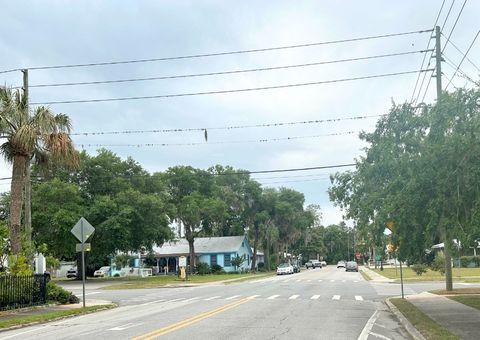
Crosswalk features and surrounding conditions
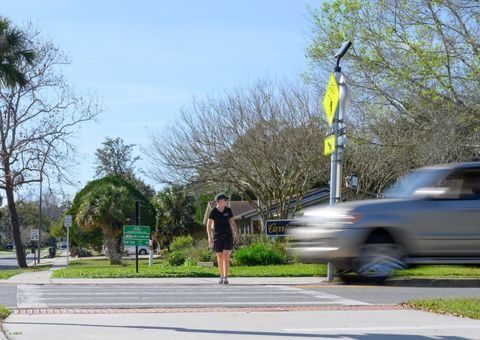
Visibility, speed environment, and roadway context
Using the same methods across locations and over time allows Best Foot Forward to track trends and make meaningful comparisons.
Why Measuring Driver Behavior Matters
Research consistently shows that driver behavior at crosswalks plays a critical role in pedestrian safety. Studies examining driver yielding, vehicle speed, and crossing visibility demonstrate that how drivers respond at crossings directly affects safety outcomes for people walking and rolling.
Best Foot Forward’s evaluation approach aligns with established transportation safety research that emphasizes:
1
Driver yielding as a meaningful safety indicator
2
The relationship between vehicle speed and injury severity
3
The importance of visibility and predictability at crossings
4
The value of direct observation to understand real-world behavior
Understanding Safety Trends Over Time
To better understand pedestrian safety trends, Best Foot Forward examines driver behavior alongside serious injury and fatality data. Looking at these measures together helps illustrate how conditions on the street and driver responses at crosswalks relate to broader safety outcomes.
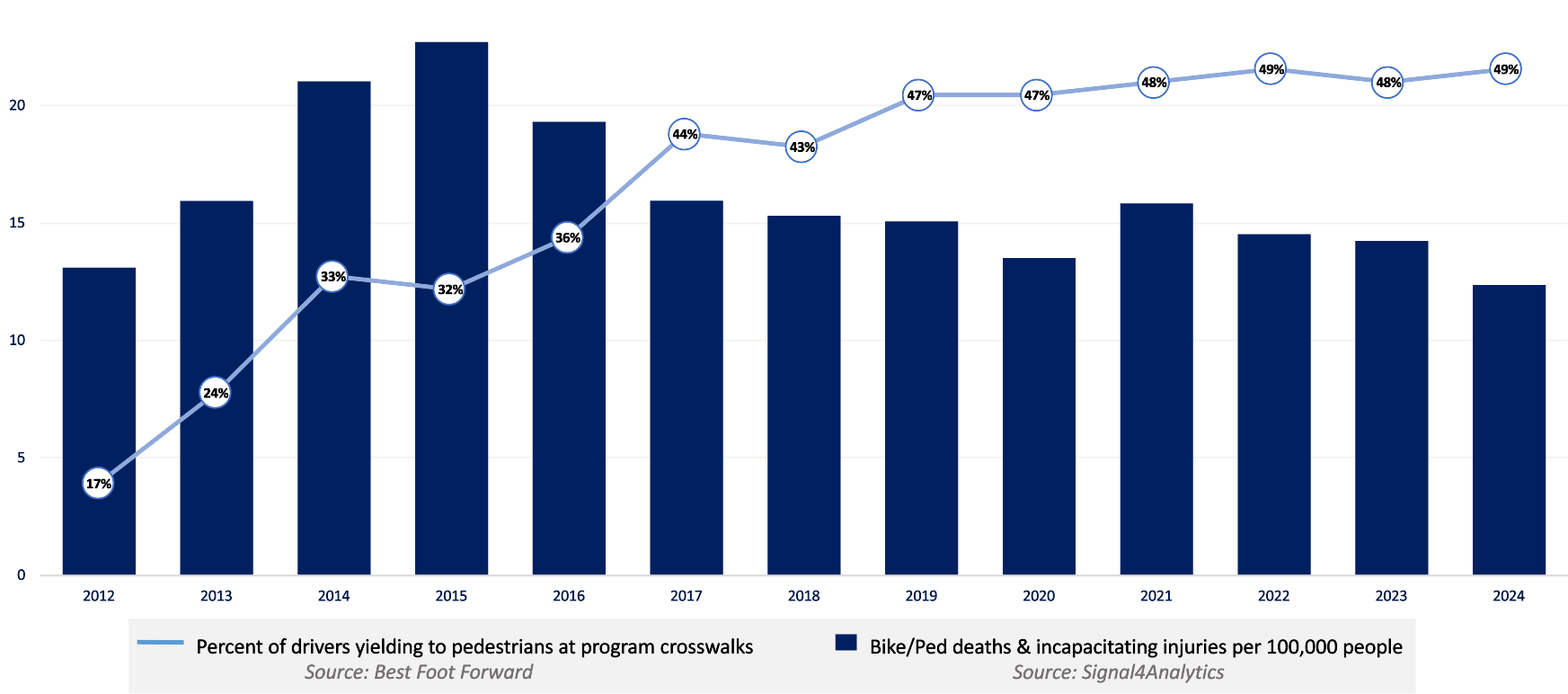
This chart shows trends in bike and pedestrian deaths and incapacitating injuries per 100,000 population in the Orlando metro area, alongside driver yield rates at Best Foot Forward program crosswalks.
Together, these measures highlight how everyday driver behavior at crossings relates to broader pedestrian safety trends.
Evaluation Supports Continuous Improvement
Evaluation is not a one-time activity. Best Foot Forward emphasizes repeated observation and analysis to track progress, refine strategies, and respond to changing conditions.
By consistently measuring driver behavior over time, communities can better understand what is working, where additional attention may be needed, and how safety strategies evolve alongside street conditions.
Interested in using data to improve crosswalk safety in your community?
Learn more about Best Foot Forward or reach out to explore how evaluation can support safer crossings.
Explore the Best Foot Forward Framework
Best Foot Forward improves crosswalk safety through a coordinated approach that brings together education, enforcement, engineering, and evaluation. Each strategy plays a distinct role, and they are most effective when used together.
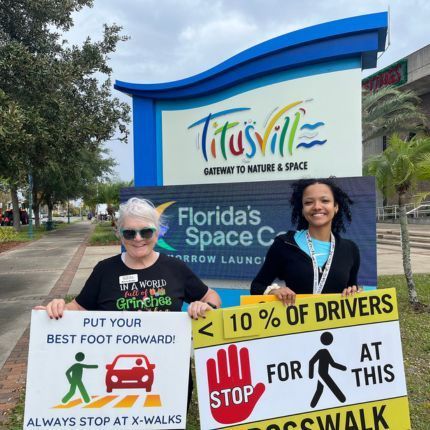
Educate
Building awareness and understanding of crosswalk safety.
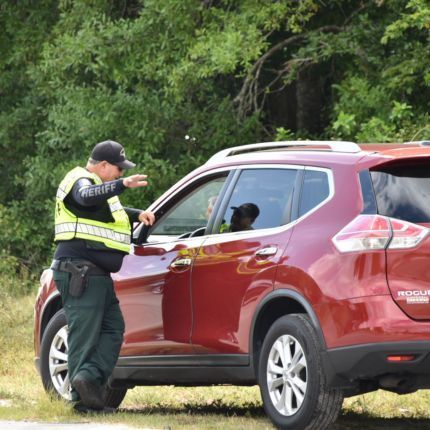
Enforce
Supporting visible, education-focused traffic safety efforts.
Engineer
Using data to inform safer crossing design and visibility.